
House Cleaning Tips for Chicago Pet Owners: Tackling Fur and Winter Salt Paws
From salt-streaked paw prints on Lincoln Square hardwood to fur embedded in Wicker Park greystone rugs, Chicago pet owners deal with a unique set of messes. Here is how to stay ahead of them year-round.
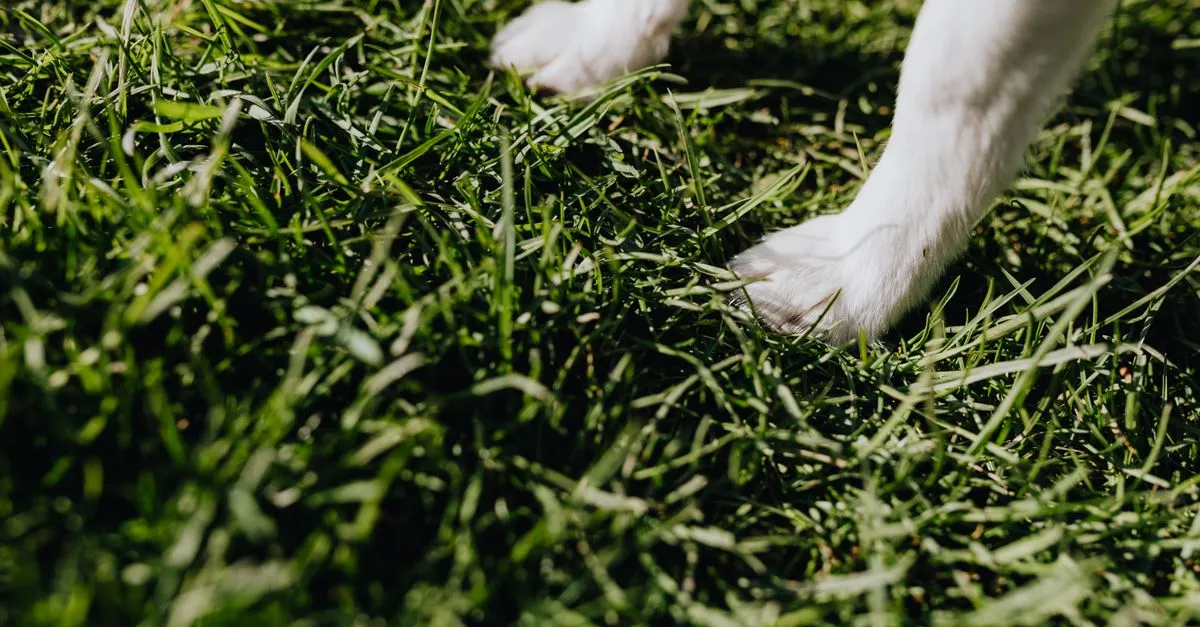
Why Chicago Pets Create a Cleaning Challenge Unlike Any Other City
Owning a dog or cat in Chicago is a genuine joy, but the city's climate and housing stock make pet-related messes harder to manage than in most places. From November through March, your dog is trekking through sidewalks salted by the city and by every building super from Hyde Park to Edgewater. That salt does not stay on the sidewalk. It comes inside on paws, dries into a white crust, and works its way into hardwood floors, area rugs, and grout lines.
Layer on top of that the shedding cycles of a golden retriever or a husky living in a vintage Andersonville two-flat with original wood floors and radiator heat, and you have a cleaning situation that demands a real system, not just a weekly vacuum pass.
This guide is written specifically for Chicagoland pet owners. We will cover paw management at the door, fur control across the housing types most common in the city, and when it makes sense to call in professional help.
The Winter Salt Problem: What It Actually Does to Your Home
Chicago uses millions of pounds of road salt every winter. The city, the CTA bus stops, your condo building's front walk, all of it is covered from December through late February. When your dog comes in from a walk in Logan Square or Ravenswood, their paws carry a cocktail of sodium chloride, sand grit, and whatever else lives on Chicago sidewalks.
Salt on Hardwood Floors
Vintage hardwood is one of the best features of Chicago's older housing stock, but salt is its enemy. Salt crystals act like fine sandpaper when ground underfoot. Over a full Chicago winter, repeated salt contact dulls the finish and can eventually compromise the wood itself. Wipe it up before it dries.
Salt on Tile and Grout
Many Chicago condos and coach houses have ceramic tile entryways. Salt dries white and chalky on tile, and it migrates into grout lines where it is much harder to remove. A grout line that looks gray and dingy in March is often just salt-stained, not permanently damaged.
Salt Tracking Through Carpets and Rugs
Area rugs catch salt before it reaches wood floors, which is good. But if you do not address the rug regularly, the salt breaks down fibers from the inside. Persian or wool rugs in particular are vulnerable. Vacuum them more frequently in winter than in summer, and rotate them so one section does not take all the paw traffic.
A Practical Paw-Wiping System That Actually Works
The single most effective thing a Chicago pet owner can do is intercept the mess before it enters the main living space. Here is a setup that works in the small entryways common to Chicago greystone units, walkups, and coach houses.
- A microfiber doormat inside the door. Not the decorative coir mat. A dense, absorbent microfiber mat that grabs salt and moisture from paws. Place it right at the threshold so your dog steps on it immediately.
- A small bucket of warm water by the door. In deep winter, keep a shallow container near the entry. A quick dip and wipe removes salt before it ever touches your floor. This takes ten seconds and saves your hardwood finish over the course of a Chicago winter.
- A stack of cheap microfiber towels. Keep them in a basket by the door. Wipe paws after dipping. Toss in the wash. Replace the stack. It is unglamorous but it works.
- Dog boots for heavy snow days. Not every dog tolerates them, but on days when the city has just re-salted after a storm, boots eliminate the problem entirely. Many dogs in Lincoln Park and Roscoe Village wear them without complaint once trained.
Managing Pet Fur in Chicago Homes
Chicago's winter heating season runs long. Radiator heat and forced-air furnaces keep indoor humidity low from October through April, which tends to increase static electricity and makes pet fur cling to upholstery and baseboards more aggressively than in warmer, more humid climates.
Hardwood and Engineered Wood Floors
These are the dominant floor type in Chicago's vintage two-flats and greystones, and they show fur easily. A dry microfiber mop used daily is more effective than a broom, which tends to scatter fur rather than collect it. Vacuum the perimeter of each room where fur collects along baseboards. Do not skip those corners near the radiators, fur gathers there with heat convection.
Area Rugs
Fur embeds in rug fibers quickly. Vacuum in two directions, with the grain and against it. A rubber squeegee dragged across a rug surface before vacuuming pulls embedded fur to the top where the vacuum can reach it. This trick is especially useful on the flat-weave rugs popular in many Wicker Park and Bucktown apartments.
Upholstered Furniture
Chicago apartments often have tightly fitted layouts, meaning your couch is closer to the wall and harder to access from all sides. Use a lint roller for daily touchups, but for thorough removal, a rubber glove dragged across fabric gathers fur better than most commercial tools. Slipcovers that go through the wash weekly are worth considering if your dog treats the couch as a second bed.
Stairs in Multi-Story Homes
Many Chicago single-family homes in neighborhoods like Beverly, Edison Park, and North Center have carpeted stairs that collect fur in every tread. A small handheld vacuum with a motorized brush head is the right tool here. Rubber stair treads installed over carpet also make fur removal dramatically easier.
Odor Control in Small Chicago Spaces
Chicago apartments tend to run smaller than suburban counterparts. A 900-square-foot Lakeview condo with two dogs is going to develop pet odor faster than a 2,400-square-foot house in Naperville. Ventilation is your first line of defense. Open windows on warmer days when the lake breeze is coming off the east. Wash pet bedding weekly. Sprinkle baking soda on carpets and rugs, let it sit for 15 to 20 minutes, and vacuum it up before guests arrive.
For persistent odor embedded in floors or upholstery, an enzymatic cleaner breaks down the organic compounds causing the smell rather than masking them. These are widely available and worth keeping on hand.
When to Bring In Professional Help
Even the most diligent pet owner hits a point where the fur, salt residue, and general accumulation of a Chicago winter requires a reset. That is where professional cleaning makes a real difference.
If your home has never had a professional clean since you adopted your pet, or if you are heading into spring with a winter's worth of salt grit and fur embedded in baseboards and grout, a professional deep cleaning is the right starting point. A deep clean addresses the areas that routine maintenance misses, including inside window tracks where salt dust settles, bathroom grout lines with winter buildup, and baseboards coated in a season's worth of fur and city grime.
After that reset, a recurring cleaning schedule keeps your home consistently manageable. Recurring clients save 30 to 50 percent compared to one-time pricing, which makes it a practical choice for pet owners who know the mess is never really going away. Neat N Tidy's vetted, insured cleaners are background-checked and familiar with the specific cleaning demands of Chicago's older housing stock.
A Seasonal Cleaning Calendar for Chicago Pet Owners
| Season | Priority Tasks |
|---|---|
| November to February | Daily paw wiping, salt removal from entry floors, more frequent vacuuming of rugs, baking soda odor treatment |
| March to April | Deep clean to remove winter salt and fur accumulation, clean grout lines, wash all area rugs if possible |
| May to August | Manage spring shedding, open windows for ventilation, wash pet bedding weekly |
| September to October | Prep entryway station before salt season, refresh area rugs before they spend winter under paw traffic |
Quick Reference: Products Worth Keeping on Hand
- Dense microfiber entry mat (replace annually, they lose absorbency)
- Microfiber mop for hardwood floors
- Enzymatic cleaner for accidents and embedded odor
- Rubber squeegee for rug fur removal
- Lint rollers for furniture and clothing
- Baking soda for carpet and rug odor treatment
- Small shallow bucket for paw rinsing in winter months
None of these are expensive, and together they form a system that handles the day-to-day reality of owning a pet in a Chicago home. The key is consistency, a few minutes at the door after every winter walk prevents hours of cleaning later in the week.
Frequently Asked Questions
Ready for a Cleaner Home in Chicago?
Tell us about your home and we'll recommend the right service. Free quote in 60 seconds.
You're All Set!
We'll call you within 5 minutes.